Description
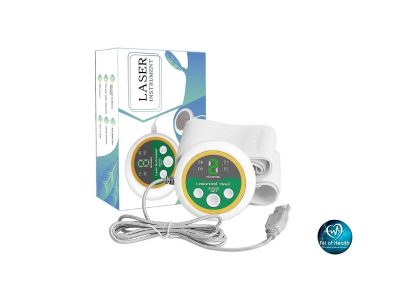
An easy-to-use and inexpensive instrument, ideal for treating ear canal Tinnitus and Otitis with 650nm (red laser) light energy.
Key characteristics of red laser light treatments
- Wearable form factor – looks like a digital watch
- Multiple laser diodes – often 5–12 diodes arranged around the wrist
- Wavelengths – typically 650 nm (red) and 810–850 nm (infrared)
- Non‑thermal – does not burn or cut; it uses low‑level light
- Programmable frequencies – some models allow frequency selection
- Battery-powered – rechargeable, portable
- Automatic timing cycles – usually 15–60 minutes
Primary uses include:
- Improving microcirculation, where Low‑level laser light can support better blood flow, improved oxygen delivery, and reduced blood viscosity
- Photobiomodulation for Cellular Support. Red infrared light may stimulate mitochondrial ATP production, support tissue repair, and reduce oxidative stress
- Immune System Modulation: Some users apply wrist lasers to support immune balance, reduce inflammatory markers, and promote systemic wellness. This is based on blood irradiation concepts.
- Stress Reduction & Mood Support. Calm the nervous system, support circadian rhythm and reduce stress responses. Infrared wavelengths are often associated with relaxation.
- Blood Laser Irradiation (LLLT‑BI). This is a known technique in which red light is applied to the blood to enhance metabolic processes, support detoxification pathways, and improve energy levels. The wrist device is a non‑invasive version of intravenous laser therapy.
- Pain relief. Infrared wavelengths may help reduce inflammation, relax muscles, and support joint comfort. This is similar to handheld LLLT pain‑relief devices.
- Cognitive & Neurological Support. Clearer thinking, reduced brain fog and improved focus. This is attributed to improved oxygenation and mitochondrial support.
Only logged in customers who have purchased this product may leave a review.



Reviews
There are no reviews yet.